
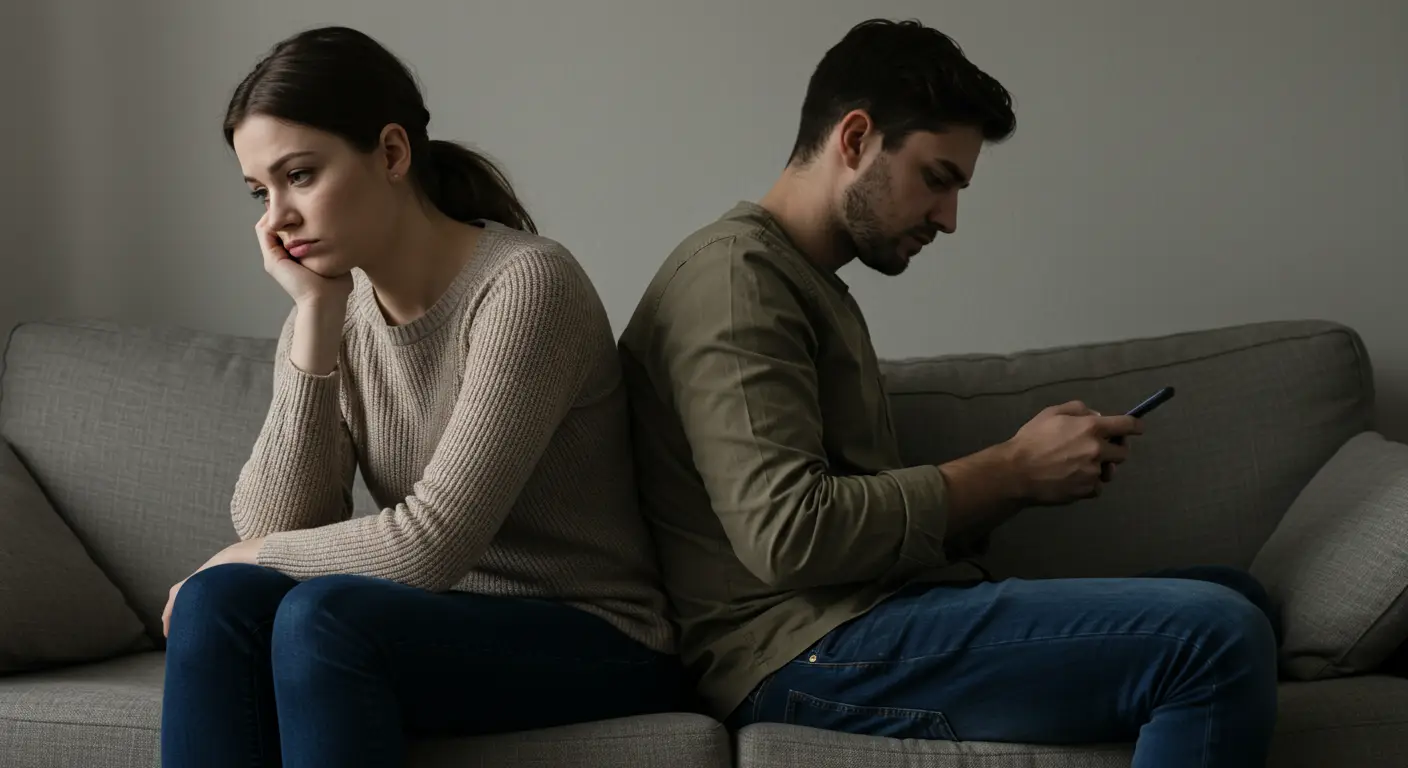

Introduction: The Gut Feeling You Can’t Ignore
You’ve noticed something’s off. Maybe it’s the way he guards his phone, the sudden late nights at work, or how he’s emotionally distant—like he’s there but not present. Your instincts are screaming, but you’re not sure if you’re overreacting.
Here’s the hard truth: If you’re asking, “Is my partner cheating?” you’re probably already sensing the signs.
Cheating isn’t always about physical affairs. Emotional infidelity—where your partner forms a deep, intimate bond with someone else—can be just as devastating. And often, the red flags start small before becoming impossible to ignore.
In this guide, we’ll break down: ✅ 15 subtle (and obvious) signs of emotional and physical cheating ✅ Real-life examples of how these behaviors play out ✅ What to do next if you suspect infidelity
Emotional Cheating: The Silent Relationship Killer
Emotional affairs often fly under the radar because there’s no physical proof—no lipstick on his collar, no suspicious hotel receipts. But the damage? Just as real.
1. They’re Suddenly “Too Busy” for You
- Before: You were their priority—date nights, deep conversations, spontaneous texts.
- Now: They’re “swamped” with work, hobbies, or “needing space.”
- Red Flag: If they’re emotionally unavailable but hyper-focused on someone else (a “work friend,” old flame, or gym buddy), ask why.
Example: Sarah noticed her husband, Mark, started “working late” but his phone was always face-down. When she asked, he’d snap, “Can’t you see I’m stressed?” Later, she found out he’d been venting to an ex—for hours—about their marriage.
2. They Share Intimate Details with Someone Else
- Do they confide in a “just a friend” about problems they won’t discuss with you?
- Are they getting emotional support (complaints, dreams, fears) from someone outside the relationship?
- Warning Sign: If they’re more vulnerable with this person than with you, it’s emotional cheating.
3. Their Phone Became a Fort Knox
- Password-protected apps? (WhatsApp, Snapchat, Instagram DMs)
- Deleting messages or clearing browser history?
- Overreacting when you glance at their screen?
- Statistic: A 2023 survey by Trustify found 62% of cheaters hide digital trails.
Real-Life Case: Emma’s boyfriend, Jake, used to leave his phone unlocked. Then he started taking it into the bathroom, sleeping with it under his pillow, and flipping it over during texts. She later discovered he’d been sexting a coworker.
Physical Cheating: The Classic (But Not Always Obvious) Signs
Physical infidelity leaves traces—if you know where to look.
4. Sudden Changes in Appearance
- New gym obsession? (When they never cared before)
- Buying expensive cologne/lingerie? (For who, exactly?)
- Dressing differently? (Tighter clothes, “trendy” styles they’d mock before)
Why It’s Suspicious: If they’re trying to impress someone, it’s rarely you.
5. Unexplained Expenses or Gifts
- Credit card charges for hotels, dinners, or jewelry you didn’t receive?
- “Lost” receipts or cash withdrawals?
- Gifts “for a friend”? (That you’ve never met?)
Example: Lisa found a $300 charge from a jewelry store. When she asked, her husband said, “It’s for my mom’s birthday.” His mom’s birthday was three months ago.
6. They Smell Like Lies (Literally)
- Perfume/cologne that isn’t yours?
- Showering immediately after “errands”?
- Laundry habits change? (Washing sheets more often, hiding clothes?)
Pro Tip: If they over-compensate with affection after being distant, it’s often guilt-driven.
Behavioral Red Flags: The Patterns That Don’t Lie
7. Gaslighting When You Ask Questions
- “You’re crazy—why would I cheat?”
- “You’re too sensitive.”
- “I can’t even talk to you without you accusing me!”
Reality Check: If they deflect, deny, and attack instead of reassuring you, they’re hiding something.
8. Their Social Circle Shifts
- New “friends” you’ve never met?
- Old friends suddenly distant?
- Secretive group chats? (Especially with the opposite sex)
Case Study: Megan’s fiancé, Tom, started hanging out with a female coworker every weekend. When Megan asked to join, he’d say, “It’s just work stuff—you’d be bored.” Turns out, it wasn’t.
9. They Pick Fights (To Justify Their Behavior)
- Sudden criticism? (“You never understand me!”)
- Nitpicking your flaws? (To make you the problem)
- Creating distance? (So they feel “justified” in seeking comfort elsewhere)
Psychology Behind It: Cheaters often sabotage the relationship to ease their guilt.
Digital Cheating: The Modern Affair
10. Secret Social Media Activity
- Private Instagram accounts? (With one follower you don’t know)
- Double-tapping a certain person’s posts instantly?
- Using dating apps? (Even “just to look”)
How to Check:
- Search their email in Facebook’s “Forgot Password”—are they logged into multiple accounts?
- Use Google’s “My Activity” to see deleted searches.
11. They’re Always “Online” but Never for You
- Active on WhatsApp at 2 AM but “asleep” when you text?
- Typing bubbles that disappear when you walk in?
- Second phone or burner number?
Example: Rachel’s husband claimed he was “playing games” on his phone at night. She later found screenshot proof of him video-calling another woman.
What to Do If You Suspect Cheating
Step 1: Gather Evidence (Without Obsessing)
- Check financial records (unexplained charges)
- Note behavioral patterns (when they’re distant vs. overly affectionate)
- Avoid hacking (it can backfire legally)
Step 2: Have the Conversation (The Right Way)
- Stay calm. Accusations = defensiveness.
- Use “I” statements: “I’ve noticed you’ve been distant. Can we talk about what’s going on?”
- Watch their reaction. Guilty people often over-explain or get angry.
Step 3: Decide Your Next Move
- Couples therapy? (If they’re willing to work on it)
- Setting boundaries? (No contact with the other person)
- Walking away? (If the trust is broken beyond repair)
FAQs: Your Cheating Questions Answered
1. Can a relationship survive cheating?
Yes, but only if the cheater takes full accountability, cuts off the affair, and both partners commit to rebuilding trust. Therapy is highly recommended.
2. How do cheaters act when confronted?
- Denial: “You’re imagining things.”
- Deflection: “You’re the one with trust issues!”
- Minimizing: “It was just a kiss—no big deal.”
- True Remorse: They don’t make excuses, answer questions honestly, and show consistent change.
3. What’s the difference between emotional and physical cheating?
- Emotional cheating: Deep intimacy (sharing secrets, emotional support) with someone else.
- Physical cheating: Sexual contact outside the relationship. Both can destroy trust—emotional affairs often hurt more because they involve betrayal of the heart.
4. Should I spy on my partner if I suspect cheating?
No. Snooping can damage your self-respect and give them ammunition to play the victim. Instead, observe behaviors and have an honest conversation.
5. Why do people cheat in happy relationships?
Even in “good” relationships, people cheat due to:
- Ego boosts (feeling desired)
- Avoidance (escaping problems at home)
- Opportunity (e.g., work trips, old flames resurfacing)
- Addiction (to excitement, validation, or sex)
6. How do I rebuild trust after cheating?
- Full transparency (phone access, social media, whereabouts)
- Consistent actions (not just words)
- Therapy (individual and couples)
- Patience (trust takes years to rebuild)
Final Thought: Trust Your Instincts
If you’re reading this, you already know something’s wrong. The question isn’t “Is my partner cheating?”—it’s “What am I going to do about it?”
Whether you confront them, seek therapy, or walk away, remember: You deserve honesty, respect, and love. Don’t let fear keep you in a relationship that’s breaking you.
Have you noticed any of these signs? Share your story in the comments—you’re not alone.



Leave a Comment