
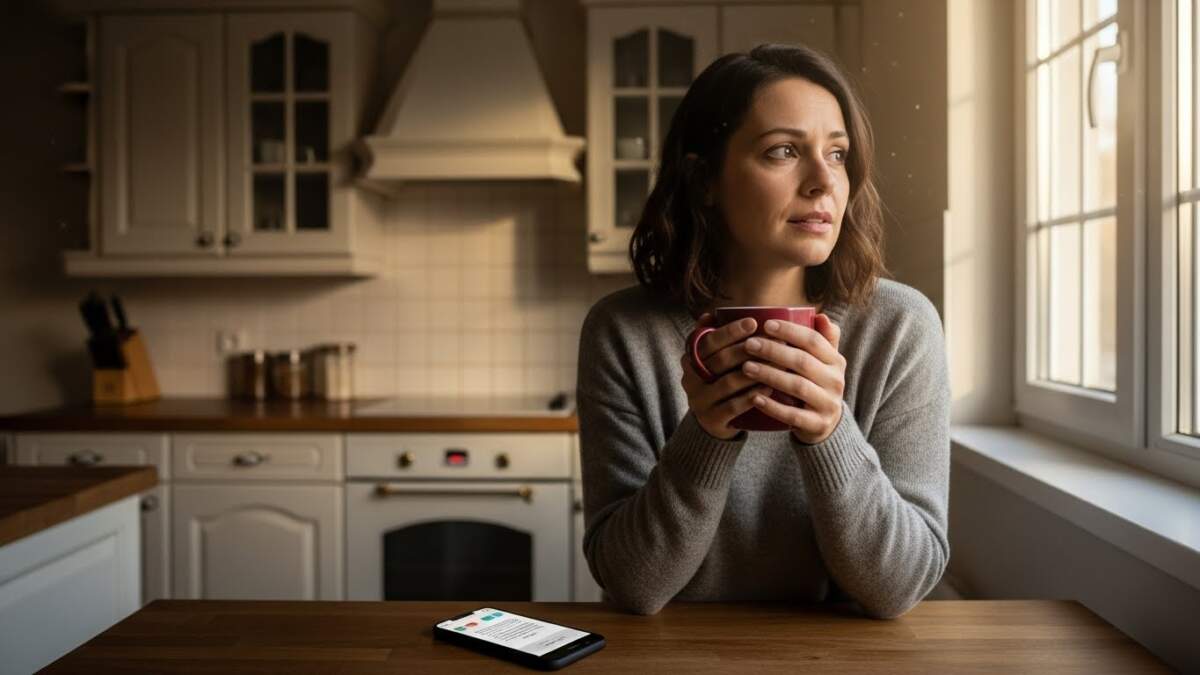

Dating should feel exciting, but for many women, it triggers overwhelming anxiety instead. That flutter in your stomach before a first date can quickly spiral into obsessive thoughts, fear of rejection, and constant worry about where the relationship is heading.
If you’ve ever checked your phone every five minutes waiting for a text back or replayed every conversation searching for hidden meanings, you’re not alone. Dating anxiety affects millions of women across America, impacting their ability to form healthy, secure attachments.
Understanding the root causes of relationship anxiety and learning how to date with confidence can transform your romantic life entirely.
What Is Dating Anxiety and Why Does It Happen?
Dating anxiety goes beyond normal nervousness before meeting someone new. It’s a persistent feeling of unease, worry, or fear that affects your behavior and decision-making throughout the dating process.
This type of anxiety stems from multiple sources, including past relationship trauma, attachment styles formed in childhood, and the unique pressures of modern dating culture.
Women experience dating anxiety at higher rates due to societal expectations, fear of judgment, and vulnerability concerns. The constant availability created by dating apps amplifies these feelings, making it harder to establish emotional security.
Your brain perceives dating as a potential threat to your emotional safety. This triggers your nervous system’s stress response, flooding your body with cortisol and adrenaline even when there’s no real danger present.
Common Signs You’re Experiencing Dating Anxiety
Overthinking Every Interaction
You analyze every text message, searching for hidden meanings in punctuation marks and response times. A simple “ok” feels like rejection, while delayed replies send you into panic mode.
This pattern of overthinking prevents you from being present and enjoying the natural flow of getting to know someone.
Fear of Vulnerability
Opening up emotionally feels terrifying. You struggle to share your true feelings, preferences, or past experiences because you’re afraid of being judged or rejected.
This protective mechanism keeps you emotionally distant, preventing deeper connection.
Physical Symptoms of Stress
Your body manifests anxiety through racing heartbeat, sweaty palms, nausea, or difficulty sleeping. These physical reactions occur before dates or during relationship milestones.
Some women experience panic attacks when relationships become more serious or intimate.
Constant Need for Reassurance
You frequently ask your partner how they feel about you or seek validation through their words and actions. This behavior stems from insecurity and fear of abandonment.
The temporary relief you feel after reassurance quickly fades, creating an exhausting cycle.
Avoidance Behaviors
You cancel dates at the last minute, ghost people who seem genuinely interested, or sabotage promising relationships before they develop. Avoidance feels safer than facing potential rejection.
This pattern keeps you stuck in a cycle of loneliness despite wanting connection.
Comparing Yourself to Others
You measure your dating success against friends, social media portrayals, or societal timelines. This comparison fuels feelings of inadequacy and desperation.
Every couple you see makes you question your own worth and desirability.
Understanding Attachment Styles in Dating
Your attachment style, formed during early childhood relationships with caregivers, significantly influences how you approach romantic relationships as an adult.
Anxious Attachment Pattern
Women with anxious attachment crave intimacy but fear their partner doesn’t feel the same way. They experience intense emotional reactions to perceived distance or rejection.
This attachment style leads to clingy behavior, constant worry about relationship stability, and difficulty trusting partners’ affection.
Avoidant Attachment Pattern
Avoidant individuals value independence highly and feel uncomfortable with too much closeness. They often suppress emotions and maintain emotional distance to feel safe.
Dating someone triggers fear of losing autonomy, leading to withdrawal when relationships become serious.
Disorganized Attachment Pattern
This pattern combines anxious and avoidant behaviors, creating unpredictable responses to intimacy. Women with disorganized attachment want closeness but simultaneously fear it.
They may pursue connection intensely, then suddenly pull away without clear explanation.
Secure Attachment Pattern
Securely attached individuals feel comfortable with intimacy and independence. They trust their partners, communicate needs effectively, and handle conflict constructively.
This attachment style creates the foundation for healthy, stable relationships.
How Past Relationships Create Dating Anxiety
Previous romantic experiences shape your expectations and fears about future relationships. Betrayal, abandonment, or emotional abuse leave lasting psychological imprints.
Your brain remembers painful experiences and creates protective mechanisms to prevent similar hurt. When new dating situations mirror past trauma, your anxiety response activates automatically.
A woman who experienced infidelity may constantly worry about being cheated on again. Someone who faced rejection might interpret neutral behaviors as signs of disinterest.
These protective patterns served you once but now interfere with forming secure connections. Recognizing this connection helps you separate past trauma from present reality.
Healing from previous relationship wounds requires acknowledging their impact without letting them dictate your current dating choices.
The Role of Modern Dating Culture in Anxiety
Dating apps and social media have fundamentally changed relationship formation. The paradox of choice creates anxiety as endless options prevent committed decision-making.
Ghosting has become normalized, leaving women confused and doubting their worth. The lack of closure intensifies anxiety and self-blame.
Text Message Anxiety
Digital communication lacks vocal tone and body language, making interpretation difficult. Waiting for responses triggers anxiety as you imagine worst-case scenarios.
The expectation of constant availability creates pressure to respond immediately, adding stress to natural relationship pacing.
Social Media Comparison
Seeing curated relationship highlights on Instagram and Facebook creates unrealistic expectations. You compare your private struggles to others’ public success stories.
This comparison erodes self-esteem and increases pressure to achieve relationship milestones quickly.
Casual Dating Culture Pressure
The prevalence of hookup culture makes women seeking serious relationships feel out of sync. Pressure to appear casual when you want commitment creates internal conflict.
This disconnect between desires and behavior intensifies anxiety and dissatisfaction.
Seven Proven Strategies for Secure Dating
Strategy One — Develop Self-Awareness
Understanding your triggers, patterns, and attachment style gives you power to respond differently. Keep a dating journal noting when anxiety arises and what preceded it.
Identify specific situations that activate your stress response, such as plans changing or communication gaps.
This awareness creates space between stimulus and reaction, allowing conscious choice instead of automatic anxiety.
Strategy Two — Practice Emotional Regulation
Learn techniques to calm your nervous system when anxiety strikes. Deep breathing exercises, progressive muscle relaxation, and grounding techniques interrupt the stress response.
The 5-4-3-2-1 method helps: identify five things you see, four you can touch, three you hear, two you smell, and one you taste.
Regular practice makes these tools accessible during high-anxiety moments.
Strategy Three — Communicate Your Needs Clearly
Secure dating requires expressing preferences, boundaries, and feelings directly. Avoid expecting partners to read your mind or interpret hints.
Use “I” statements to share your experience without blame: “I feel anxious when I don’t hear from you for several days” rather than “You never text me enough.”
Clear communication builds trust and reduces misunderstandings that fuel anxiety.
Strategy Four — Create Healthy Boundaries
Establish limits that protect your emotional wellbeing. Decide how much time you need between dates, what behaviors you won’t tolerate, and how quickly you want relationships to progress.
Boundaries aren’t walls keeping people out; they’re guidelines ensuring mutual respect.
Communicate these boundaries early and enforce them consistently, even when fear of rejection tempts you to compromise.
Strategy Five — Challenge Anxious Thoughts
When anxiety spirals, question the accuracy of your thoughts. Ask yourself: “What evidence supports this fear?” and “What alternative explanations exist?”
Replace catastrophic predictions with balanced perspectives. Instead of “He didn’t text back, so he must hate me,” try “He might be busy, or his phone died, or he’s thinking about his response.”
This cognitive reframing reduces anxiety’s power over your emotions.
Strategy Six — Build a Fulfilling Independent Life
Secure dating requires a strong sense of self outside romantic relationships. Invest in friendships, hobbies, career goals, and personal growth.
Women who derive fulfillment from multiple life areas feel less desperate about romantic outcomes. Your identity shouldn’t depend entirely on relationship status.
This independence makes you more attractive while reducing the anxiety that comes from viewing a partner as your only source of happiness.
Strategy Seven — Embrace Vulnerability Gradually
Building secure attachment means taking emotional risks despite fear. Start small by sharing minor preferences or opinions, then gradually increase disclosure as trust develops.
Vulnerability creates intimacy, but it should match the relationship’s development stage. You don’t need to share your deepest trauma on a first date.
Notice how partners respond to vulnerability. Secure partners will respond with empathy and reciprocal openness.
When to Seek Professional Support
Sometimes dating anxiety requires professional intervention. Consider therapy if anxiety prevents you from dating entirely, causes severe physical symptoms, or stems from unresolved trauma.
A therapist specializing in attachment theory or cognitive behavioral therapy can help you identify patterns and develop healthier responses.
Many women find that addressing dating anxiety improves overall mental health and self-esteem. Professional support isn’t a sign of weakness; it’s an investment in your future happiness.
Online therapy platforms make treatment accessible for women with busy schedules or limited local options.
Building Long-Term Secure Attachment
Creating secure relationships takes time and consistent effort. Focus on choosing partners who demonstrate emotional availability, consistency, and respect for your boundaries.
Pay attention to actions more than words. Secure partners show up reliably, communicate honestly, and make you feel valued without constant reassurance-seeking.
Allow relationships to develop naturally without forcing artificial timelines. Rushing intimacy to ease anxiety usually backfires, creating additional pressure.
Celebrate small victories in managing anxiety rather than expecting perfection. Progress isn’t linear, and occasional setbacks are normal.
Remember that your worth isn’t determined by relationship status or dating success. You deserve love that feels peaceful, not constantly anxious.
Frequently Asked Questions About Dating Anxiety
How do I know if my dating anxiety is normal or requires help?
Normal dating nerves pass quickly and don’t prevent you from functioning, while clinical anxiety persists, causes physical symptoms, and interferes with daily life.
Can anxious attachment become secure over time?
Yes, attachment styles can change through self-awareness, therapy, and relationships with secure partners who model healthy behavior consistently.
Why do I feel more anxious as relationships get serious?
Increased intimacy raises stakes and vulnerability, triggering fear of loss or rejection. This pattern often reflects anxious attachment or past trauma.
Should I tell dates about my anxiety early on?
Share when you feel comfortable, but avoid over-explaining or apologizing. Brief honesty about managing anxiety shows self-awareness without making it their responsibility.
How long does it take to overcome dating anxiety?
Timeline varies individually based on anxiety severity and causes. Most women notice improvement within 3-6 months of consistent effort and possible therapy.
Does everyone experience some dating anxiety?
Mild nervousness is universal, but severe anxiety affecting behavior, health, or happiness indicates a pattern worth addressing professionally.
Dating anxiety doesn’t have to control your romantic life. By understanding its roots, recognizing your patterns, and implementing strategies for secure attachment, you can transform how you experience relationships.
The journey toward confident, peaceful dating begins with self-compassion and willingness to challenge old protective patterns. You deserve love that feels safe, not constantly stressful.
Start with one small change today, whether that’s journaling about your triggers, practicing a grounding technique, or setting a clear boundary. Each step builds the foundation for healthier, more secure relationships.









Leave a Comment